
A pre-listing inspection puts the facts about your house in your hands before a buyer's inspector finds them. For most older Orange County homes, that changes who controls the timeline, the price conversation and the repair requests.
- ▸For older or less-documented homes, a pre-listing inspection is usually worth it
- ▸It matters less for a new build or a recent full renovation with permits and paperwork
- ▸Inspecting first lets you choose what to repair, what to price in, and when
- ▸A pre-listing report is something you will likely need to disclose, so talk to your agent first
- ▸Findings disclosed up front are less likely to reopen the price in escrow
- ▸Home, termite and sewer scope can be done on the same visit, by Trident's own team
Is a pre-listing inspection worth it when selling a house?
For most sellers of older or less-documented homes, yes. A pre-listing inspection shows you what a buyer's inspector is likely to find, while you still have time to repair it, price it in, or explain it on your own terms. It matters less for a newer home or a recent full renovation with permits and paperwork, where the big systems are already documented.
Here is where the value comes from, and when you can skip it.
Where the leverage actually comes from
In a typical sale, the buyer's inspection happens after you have accepted an offer. The buyer usually has an inspection contingency, with a length set by the purchase contract, a report full of findings, and a deadline. You have a moving date, maybe a purchase of your own lined up, and a strong reason not to start over. That is not a balanced conversation. The buyer holds the new information and you are reacting to it.
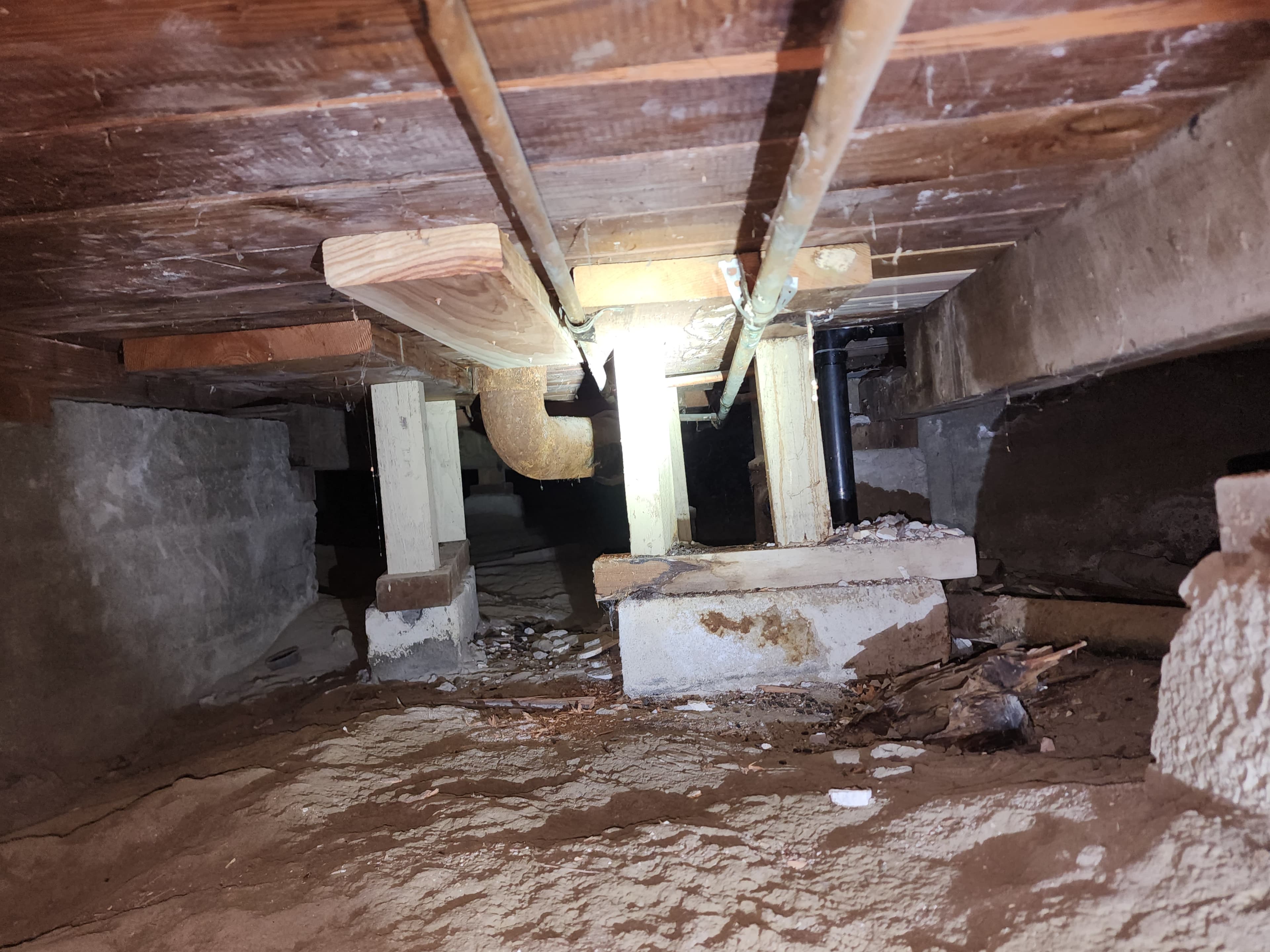
Inspecting first flips that order. You learn the condition of the house before anyone else does, and you decide what to do about it. We have seen the difference from both sides of the table. Sellers who walk in knowing what is in the attic, the crawl space and the sewer line answer repair requests calmly. Sellers who hear about a problem for the first time from the buyer's agent are negotiating under a deadline, and that rarely works in their favor.
You set the timeline
A repair found before listing can be handled on your schedule. You can collect two or three bids, pick a contractor you trust, and finish the work before photos. The same repair found during escrow gets done under deadline pressure, often with whoever is available, or turned into a credit negotiated in a hurry. A few extra weeks often means a better contractor and a cleaner repair record.
You price with knowledge
Some items are not worth fixing before a sale. An older roof with a few years left, an original electrical panel, a water heater near the end of its life. If you know about them up front, you and your agent can set a list price that already reflects them. A buyer who sees a known, disclosed condition reflected in the price has much less reason to ask for more off the top later. We cover how to make that call in fix it now or credit it later.
You disclose accurately
California sellers of most homes have disclosure duties, including filling out disclosure forms about the property's known condition. A seller can only disclose what they know, and a seller who has not been under the house in years may not know much. An inspection gives you a clear, written picture to work from, so your disclosures match the house. Exactly what you must disclose, and how, depends on your situation and your contract, so your real estate agent is the person to guide you through the forms.
Fewer renegotiations
Most renegotiation in escrow is driven by surprise. When the buyer's inspector reports something the buyer did not expect, the price or the terms get reopened. When the buyer already saw that finding in your disclosure packet, it is already part of what they offered on, which makes it harder to reopen. How that plays out depends on your contract, so ask your agent. Their inspector will still find things, but fewer of them will be news. We explain how this plays out in how a pre-listing inspection shrinks the buyer's repair list, and what buyers' inspectors most often find in what sellers didn't know about.
When a pre-listing inspection matters less
Not every seller needs one. It is reasonable to skip it, or keep it narrow, when:
- The home is a recent build still close to its original condition, with builder documentation.
- A full renovation was recently completed with permits, and you have the final inspections, invoices and warranties in a folder ready to share.
- You are selling as-is to an investor or cash buyer who has already said they will not ask for repairs. Even then, knowing the condition can help you judge whether the offer is fair.
Older homes are different. Across Orange County, from older neighborhoods in Orange, Anaheim and Tustin to established tracts in Costa Mesa and Irvine, many houses have had partial updates over the years. A remodeled kitchen can sit on original plumbing. A newer roof can sit over older framing. Those houses are where pre-listing findings tend to matter most.
Before you order one: the report becomes part of the sale
One thing to know before you book. Once you have a pre-listing report, you know what is in it, and in California a seller generally has to disclose known material facts about the property. In practice, that means a pre-listing report is something you will likely need to share with buyers. You cannot unlearn what the inspector found.
We do not see that as a reason to avoid the inspection. A buyer's inspector would likely find the same items anyway, just later and at a worse moment for you. But it is a reason to talk with your real estate agent before you book, so you both understand how the report will be handled and disclosed. This is not legal advice, and your agent, or an attorney if needed, should answer the questions about your specific sale.
Talk to your agent first. Ask how a pre-listing report will be shared with buyers, which findings they want repaired before listing, and which they would rather price in.
Do not leave the termite report until escrow
In many California sales, a wood-destroying organism report, usually called the termite report, comes up during escrow. Who orders it and who pays for any work it calls for is negotiable and depends on your contract. Getting it done before you list means you see the findings first, the same way you do with the home inspection.
At Trident, termite inspections are done in house through Trident Pest Control, our own company, registered with the California Structural Pest Control Board for Branch 2 and Branch 3 (Company Registration #PR8662). Trident does not fumigate. If treatment is needed, it is done by a separate licensed vendor. Our sister site explains how sellers approach termite clearance before you list.
What a pre-listing inspection with Trident looks like
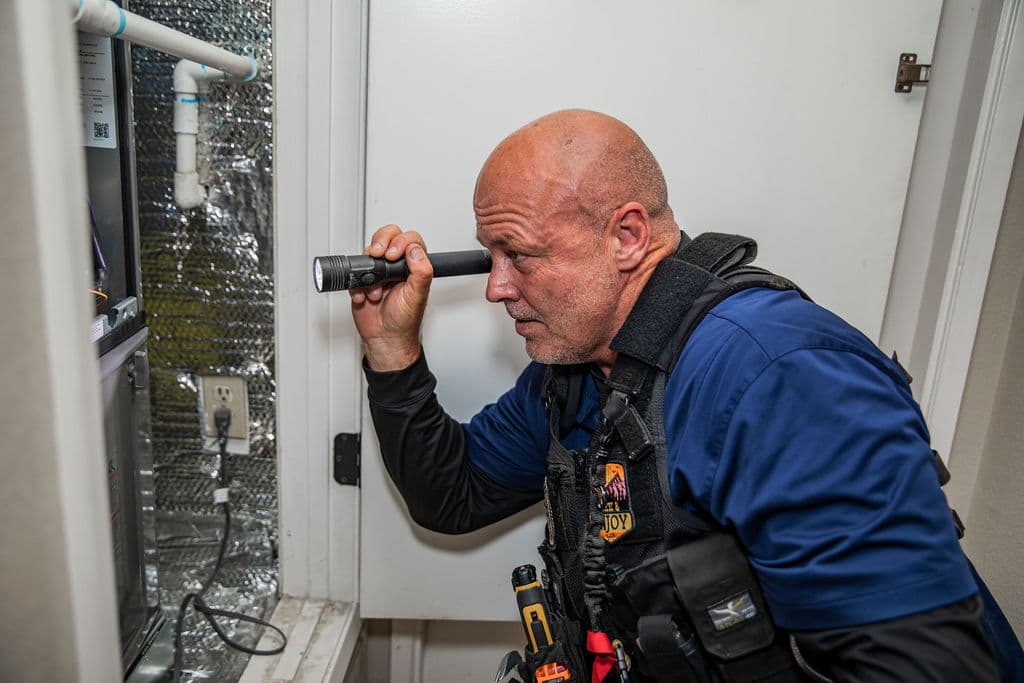
A pre-listing inspection covers the same ground as a buyer's home inspection: roof, structure, plumbing, electrical, heating and cooling, attic, crawl space and more. The difference is who it serves. The report is yours, and you decide what happens next.
- Our own team does the work. Every inspection is performed by Trident's own certified inspectors, all Trident employees. Some inspection companies subcontract or hand work to a referral; we do not.
- Experienced leadership. The team is led by Certified Master Inspectors, including founder Jeff Clark.
- One visit can cover more. Home, termite and sewer scope can be done on the same visit.
- Reports you can act on quickly. The home inspection report is delivered the same day. The termite report follows, with same-week turnaround for most properties.
The practical next step
If you are planning to sell in the next few months, talk with your agent, then book the inspection early enough to act on what it finds. Read more about our pre-listing inspection, book online, or call our Orange office at (949) 294-1188.
Not working with an agent yet? Start with the inspection, so you know the condition of the house before you talk with anyone about price. When you are ready, Trident can introduce you to experienced local listing agents we work with. Book a pre-listing inspection or call (949) 294-1188.