In our experience, deals that fall apart after the inspection usually fall apart over something the seller did not know about. You cannot stop a buyer from using their contingency, but you can take the surprise out of the inspection before the buyer ever books one.
- ▸A buyer can usually cancel or renegotiate during the investigation contingency; your contract and agent govern the details
- ▸A surprise found mid-escrow, with the clock running, does more damage than a known problem
- ▸One surprise tends to trigger others: a re-trade, lender or appraisal conditions, insurance questions, a termite Section 1 item
- ▸Inspecting before you list turns surprises into decisions you make on your own schedule
- ▸Disclose, then fix or price in, and have reports and receipts ready for the buyer's agent
- ▸Answer buyer requests quickly. Silence during escrow reads as a problem
How do I keep a buyer from backing out after the inspection?
You cannot stop a buyer from using their inspection contingency, but you can remove the surprises that make them use it. Inspect the house before you list, disclose what you find, and either fix it or price it in. Then have the reports and receipts ready for the buyer's agent, and answer their questions quickly once you are in escrow.
Our inspectors see this play out on both sides of Orange County sales, in Irvine, Costa Mesa, Orange, Anaheim, Tustin and South County.
Why the buyer's inspection is where deals wobble
California purchase contracts commonly give the buyer an investigation contingency: a set window after acceptance to inspect the property and then decide whether to go forward, ask for repairs or a credit, or cancel. The length of that window, and exactly what the buyer can do inside it, is written into your contract. Your real estate agent is the person to ask about your specific terms.
What matters for a seller is the timing. The buyer's inspection happens after you have accepted an offer, often after you have started planning your own move. Whatever the inspector finds, you are hearing about it for the first time, on a deadline, through the buyer's agent. That is the worst possible position to negotiate from.
In our experience, deals rarely fall apart over a problem everyone knew about going in. A buyer who reads about an older roof in the disclosures and still makes an offer has already priced it. Deals fall apart over the thing nobody mentioned. We wrote about the most common of those in the surprise findings sellers did not know about.
How one surprise turns into four
A single finding is rarely the end of it. The problem is how surprises cascade once escrow is open.
The re-trade
The first step is usually a request for repair or a credit. If the finding is large, or the buyer's estimate for it is high, that request can look a lot like a new offer. Now you are renegotiating price with a buyer who has just learned something unsettling about the house. Even when the finding is modest, the buyer starts to wonder what else they missed.
Lender and appraisal conditions
Some findings travel beyond the buyer. Depending on the loan type, an appraiser may note conditions such as active leaks or deferred maintenance, and a lender may want them addressed before funding. A buyer who was willing to live with an item may not get that choice. That adds repair work, scheduling and sometimes a re-inspection inside a timeline that was already tight. Which conditions apply depends on the loan, so ask your agent, and the buyer's agent can confirm with the lender.
Insurance on older roofs
Buyers need homeowners insurance to close, and insurers can look closely at roof age and condition. An inspection report that describes an older roof near the end of its service life can lead to questions from the buyer's insurance agent, a higher quote, or a request for more information. That is one more party with a say in whether the deal closes on time.
Termite Section 1 items
The termite report is a common source of late surprises. A wood destroying organism (WDO) report typically separates findings into Section 1, active infestation or damage, and Section 2, conditions likely to lead to it. Lenders and buyers often focus on Section 1. Who pays for that work is set by the contract and is negotiable; your agent can walk you through how your contract handles it, and our sister company covers who pays for termite repairs. That question is exactly why Section 1 causes friction when it shows up unannounced. Our sister company also explains the difference in Section 1 vs Section 2 termite findings.
Each of these is manageable on its own. What kills deals is stacking them inside a short contingency window with a nervous buyer and nobody holding the facts.
Five ways to take the surprise out of escrow
1. Inspect first
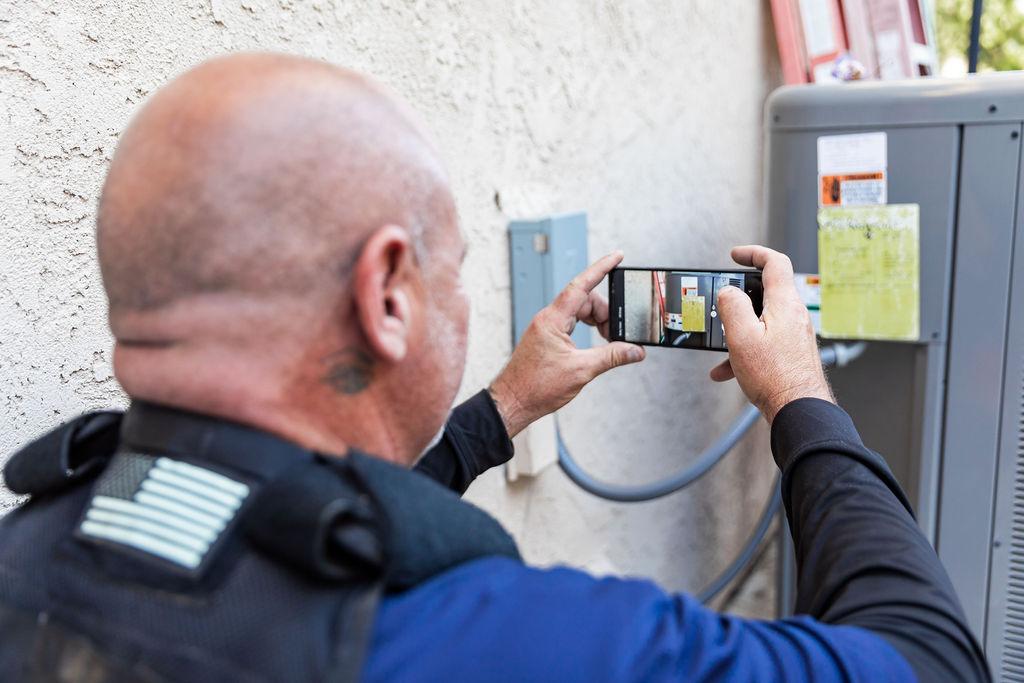
A pre-listing inspection puts the same kind of report the buyer will order in your hands before the house goes on the market. You see what the buyer's inspector is likely to see, while you still control the timeline. Every inspection at Trident is done by our own certified inspectors, all Trident employees. Some inspection companies subcontract parts of the job or hand them off to a referral. We do not, so the home report and the termite report both come from Trident's own people.
2. Add the termite and sewer reports
The home inspection is not the whole picture. Our termite and WDO inspections are done in house through Trident Pest Control, our own company, registered with the California Structural Pest Control Board as Company Registration #PR8662. We inspect and report; we do not fumigate, and if treatment is needed it is done by a separate licensed vendor. A sewer scope looks inside the main line, which is otherwise invisible to everyone. Home, termite and sewer scope can be done on the same visit, which we cover in one visit, two reports.
3. Disclose what you find
California sellers have disclosure obligations, and your agent will walk you through the forms. From an inspector's point of view, the practical effect is simple: a problem the buyer reads about before making an offer is a known condition. A problem they discover during their contingency is a surprise. Talk with your agent about how to handle your pre-listing reports, since disclosure questions are theirs to answer, not ours.
4. Fix it or price it in
Once you know what is there, you get to choose. Some items are usually a modest fix and worth doing before photos. Others, like a roof or a sewer line, are among the larger repair items and may make more sense as a price adjustment or a credit. We walk through that decision in fix it now or credit it later. Either way, the buyer is reacting to a decision you made, not to a discovery.
5. Have the paperwork ready and respond fast
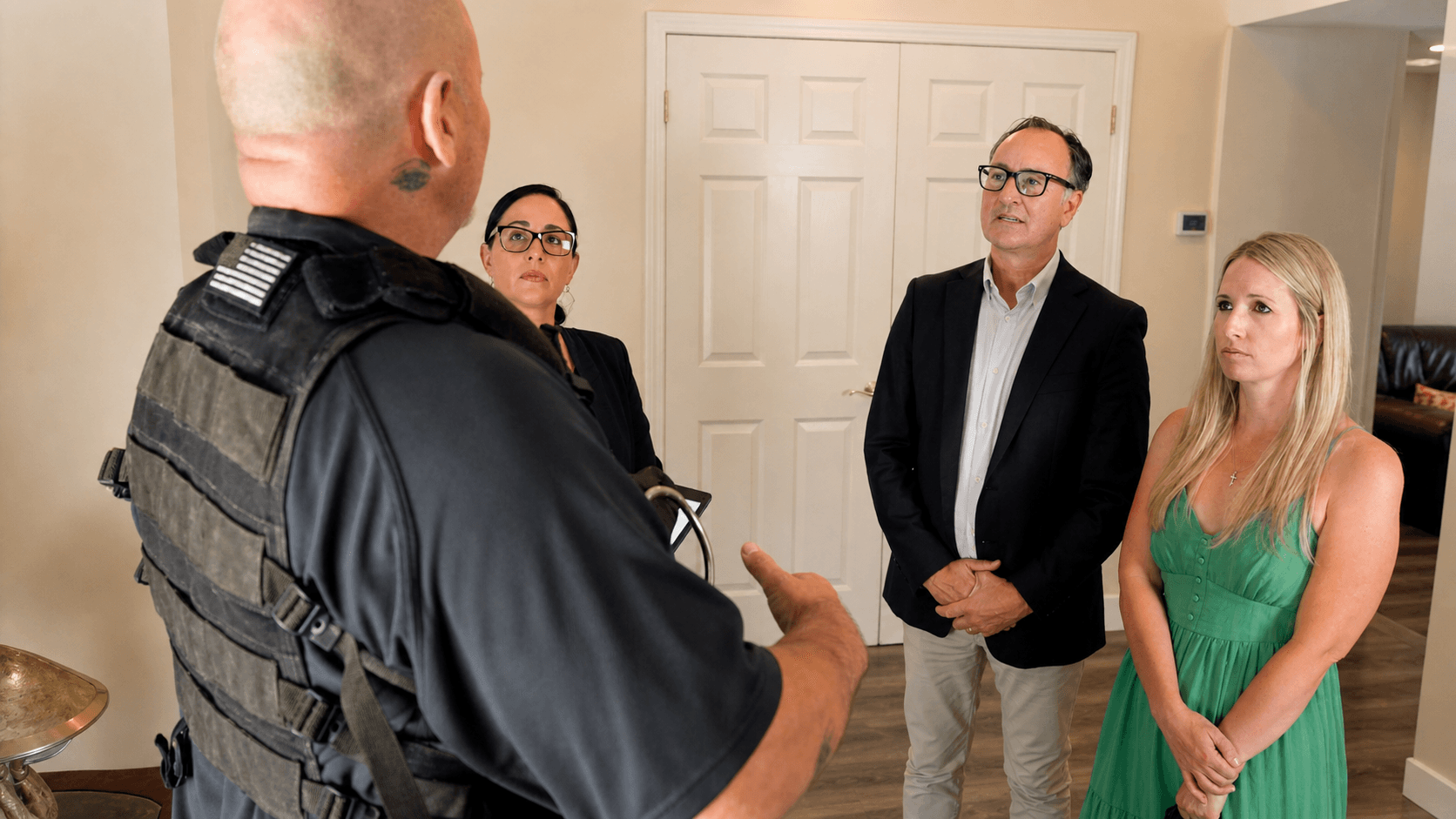
Keep the reports, repair invoices and any re-inspection notes in one folder your agent can send the moment a buyer's agent asks. When a request for repair arrives, answer it promptly. A clear reply with receipts attached settles most questions. A slow or vague one gives a nervous buyer time to imagine the worst.
What a pre-listing inspection will not do
It will not stop the buyer from ordering their own inspection, and it should not. Buyers will usually hire their own inspector, and their contingency rights come from the contract, not from your report. Their inspector may also note something ours did not, or describe the same condition differently. What changes is the size of the gap between what you expected and what they report. When that gap is small, the conversation is short.
It also does not replace your agent's advice. Questions about contract terms, contingency deadlines, disclosure duties or who pays for what belong with your real estate agent, and where needed, an attorney.
The practical next step
If you are planning to sell in Orange County, the time to find out what a buyer's inspector will find is before your listing goes live. Our certified inspectors deliver the home inspection report the same day, and the termite report follows with same-week turnaround for most properties. Read more about our pre-listing inspection, book online, or call (949) 294-1188.
Not working with an agent yet? Start with the inspection, so you know the condition of the house before you talk with anyone about price. When you are ready, Trident can introduce you to experienced local listing agents we work with. Book a pre-listing inspection or call (949) 294-1188.