Most of what a buyer's inspector writes up is not hidden, just out of sight: on the roof, in the attic, under the sink or buried in the yard. Here is where the common surprises live in Orange County homes, and how sellers can find them first.
- ▸A buyer's inspector looks at every part of the house on purpose; owners usually do not
- ▸Roof flashing, slow plumbing leaks, the sewer lateral and the electrical panel are frequent repeat findings
- ▸Older remodels and DIY projects can surface questions about permits late in escrow
- ▸The termite report often tells the same story as the home inspection, from the wood's point of view
- ▸A pre-listing inspection lets you find these items on your schedule instead of the buyer's
What do buyers' home inspectors usually find that sellers miss?
Buyers' inspectors usually find problems in the places owners rarely look: roof flashing, the attic, slow plumbing leaks under sinks and behind walls, the buried sewer line, the electrical panel, the water heater installation, drainage around the foundation, unpermitted work, and termite or wood decay findings. None of these are rare, and many sellers do not know about them until the buyer's report arrives. The practical answer is to look first, before the buyer's inspector does.
We inspect homes across Orange County, from Irvine and Tustin to Anaheim, Costa Mesa and Orange. The same handful of categories show up again and again. Very few are dramatic. Most are things that slowly got worse while the owner was busy living in the house.
The big surprise is rarely one specific item. It is the one larger repair nobody planned for, the one that shows up in the middle of escrow and turns a friendly negotiation into a tense one.
Why sellers miss these things
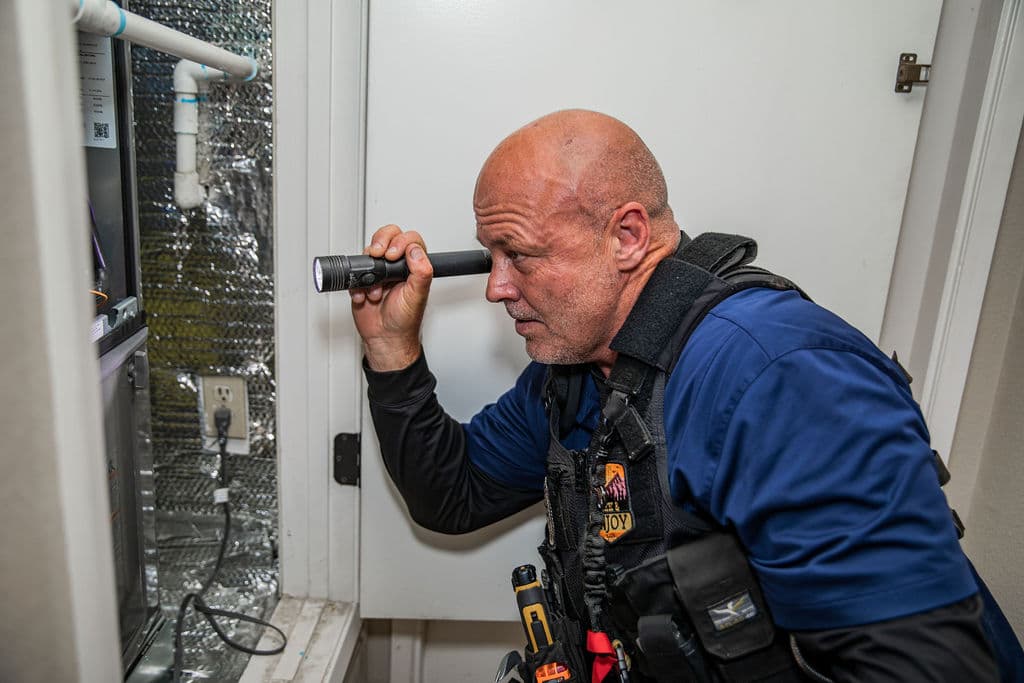
It is not carelessness. A house you live in becomes familiar. You stop noticing the faint stain on the garage ceiling. You have never been in the attic. You have no reason to think about the pipe that carries waste to the street. A buyer's inspector walks in with no history, a flashlight and a ladder, and looks at every part of the house on purpose. That difference in attention is where the surprises come from.
The usual categories
Roof and flashing
Roofs rarely fail across the whole surface at once. They leak at the edges: flashing around chimneys, vents, skylights and wall junctions, and at valleys where two slopes meet. Cracked or slipped tiles and lifted shingles are common too. From the street, the roof looks fine. From up close, the details tell a different story. Roof replacement is one of the larger repair items a buyer can raise, so it pays to know the roof's condition before anyone else does.
The attic
Most owners never go up there. Inspectors do. Common findings include old water staining from past roof leaks, signs of rodent activity, disconnected or crushed bath and dryer ducts, damaged insulation, and wiring that was added later without proper support or junction boxes. A stain can be old and dry, but the buyer will still ask about it.
Plumbing leaks and supply material
Slow leaks under kitchen and bath sinks, at toilet supply valves and around the water heater are some of the most frequent items we write up. The supply pipe itself matters too. In older homes, original galvanized steel pipe can still be in service, sometimes behind a remodeled kitchen. A buyer who reads "galvanized" in a report will often ask about a repipe.
The sewer lateral
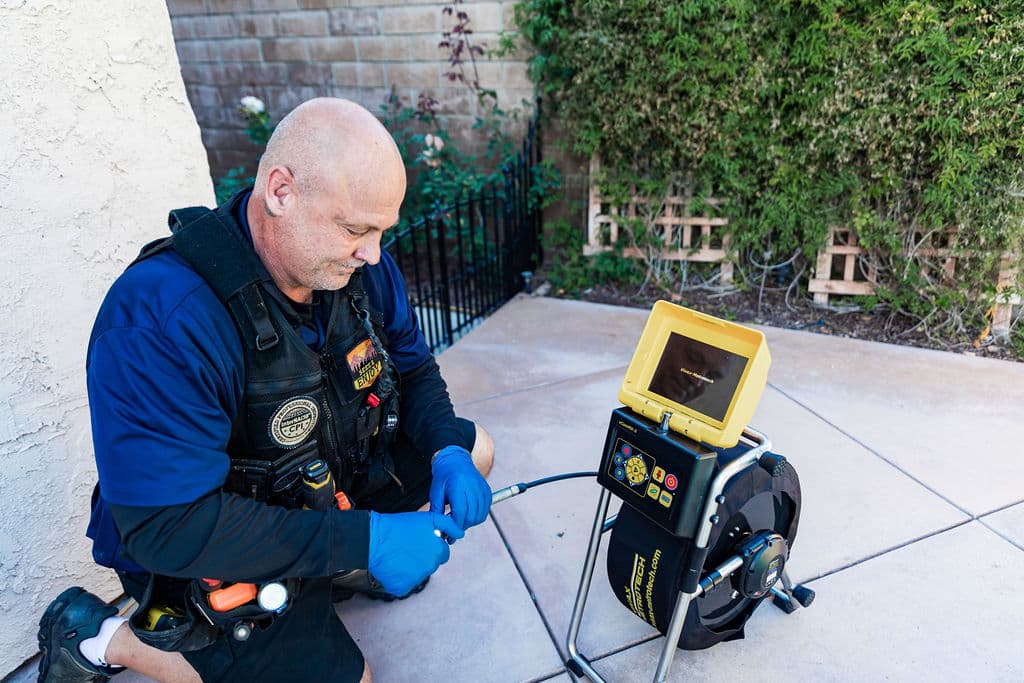
The line that carries waste from the house to the street is buried, so a standard home inspection cannot see it. Root intrusion, offset joints, sags that hold water, and cracked or deteriorated older pipe are common in mature neighborhoods with large trees. Many buyers add a sewer scope to their inspection. If the camera finds a problem, it tends to be one of the larger items in the negotiation.
Electrical panels and DIY wiring
Certain older panel brands draw extra attention from buyers and insurers. Beyond the brand, inspectors look for double-tapped breakers, missing knockouts, scorching, and wiring that does not match the breaker size. DIY work is a frequent source of findings: an added outlet in the garage, a ceiling fan on a light box, or open splices in the attic. These are often modest fixes for an electrician, but they read as safety items in a report.
Water heater installation
The water heater can be fairly new and still be written up. Missing or incomplete earthquake strapping, a relief valve discharge line that is missing or runs the wrong way, venting issues on gas units, and no drain pan where one is needed are all common. Most of these are inexpensive to correct, which is exactly why it is worth correcting them before a buyer lists them.
Grading and drainage
Soil that slopes toward the house, downspouts that empty against the foundation, and planters built up against stucco or siding all push water where it should not be. Over time that can show up as efflorescence on the slab, moisture in a crawl space, or wood damage at the base of a wall.
Unpermitted work
A converted garage, an enclosed patio, a moved wall or a newer bathroom may have been built without a permit. An inspector does not pull permits, but the report may note work that appears to be added or altered, and a buyer's agent may follow up with the city. How that gets handled depends on your contract and your disclosures, so talk to your real estate agent early if you know of past work done without a permit.
Termite and wood-destroying organism findings
In many California sales, a termite or wood-destroying organism report is ordered as part of the transaction, depending on the contract and the loan. It often tells the same story as the home inspection from the wood's side: a slow leak under a bathroom becomes fungus damage in the subfloor, poor drainage becomes decay at a door threshold, and drywood termite evidence shows up in the attic or at the eaves. Findings are usually sorted into Section 1 and Section 2 items, and who pays for what is negotiable and set by the contract, so ask your real estate agent how yours reads. Our sister site explains the difference in Section 1 vs. Section 2 termite findings.
At Trident, the termite inspection is done in house through Trident Pest Control, our own company, registered with the California Structural Pest Control Board (Company Registration #PR8662). Some inspection companies hand the termite report to an outside referral. Ours is done by our own team through in-house termite inspection, and it can be done on the same visit as the home inspection. Trident does not fumigate; if treatment is needed, a separate licensed company does that work.
What a surprise costs you in escrow
The repair itself is only part of it. A surprise found by the buyer arrives on their timeline, framed by their inspector, usually while a contingency period in the contract is running. Those deadlines are negotiable and vary by contract, so ask your real estate agent what yours are, but they rarely leave much room to get bids and respond. A buyer who feels misled may ask for more than the item is worth, or walk away. The same finding, found by you before listing, is just a line on a to-do list. That shift in timing is the core of why sellers who inspect first negotiate from strength.
How to find them first
A pre-listing inspection is the same thorough inspection a buyer would order, done for you before the house goes on the market. Trident's certified inspectors, all Trident employees and led by Certified Master Inspectors, inspect the roof, attic, plumbing, electrical, heating and cooling, and the rest of the house. The home inspection report is delivered the same day, and the termite report follows with same-week turnaround for most properties. A sewer scope can be added to the same visit.
With the reports in hand, you decide what to fix, what to disclose, and what to price in. For a closer look at how that plays out, read how a pre-listing inspection shrinks the buyer's repair list, and for the local picture, 7 common findings in Orange County homes for sellers.
Thinking about selling in Orange County? Start with a pre-listing inspection. Book online or call (949) 294-1188.