Many buyer repair requests are built from small, visible items that a seller could have handled before listing. Inspect first, fix the easy things, keep the paperwork, and the list the buyer sends back gets a lot shorter.
- ▸Many long repair requests are built from quick, minor items, not one big defect
- ▸An inspection before listing shows you the same things the buyer's inspector will see
- ▸Fix the quick items, then keep invoices, permits and photos in one folder
- ▸Decide on the larger items before listing: repair, credit, or disclose and price it in
- ▸Order the termite report early so wood-destroying organism findings are not a surprise in escrow
- ▸Home, termite and sewer scope can be done on the same visit with Trident
How can I reduce buyer repair requests when selling my home?
Have the house inspected before you list, fix the small and visible items the report finds, and keep the invoices and permits that show the work was done. Buyers write long repair requests when their inspector finds a long list of things nobody dealt with. A pre-listing inspection lets you see that list first, shorten it on your own terms, and hand the buyer a house with fewer open questions.
Here is how it works for sellers in Irvine, Costa Mesa, Orange, Anaheim, Tustin and the rest of Orange County.
Why repair lists get long
A buyer's repair request is rarely about one big problem. It is usually a page or two of small ones. A loose toilet. A GFCI outlet that does not trip. A missing anti-tip bracket on the range. A water heater strap that is not quite right. Caulk gone at the tub. A door that rubs. A smoke alarm that chirps. Each one is minor. Together they tell a buyer the house has not been looked after, and that feeling is what drives a bigger ask.
We call it death by a hundred items. No single finding scares anyone, but forty of them in a report make a buyer wonder what else is hiding. The request that comes back often asks for more than the items are worth, because the buyer is pricing in uncertainty, not just repairs.
The fix is simple. If those items are already handled when the buyer's inspector walks through, they never make the report. We cover why that matters for your position at the table in why sellers who inspect first negotiate from strength.
Step 1: Inspect before you list
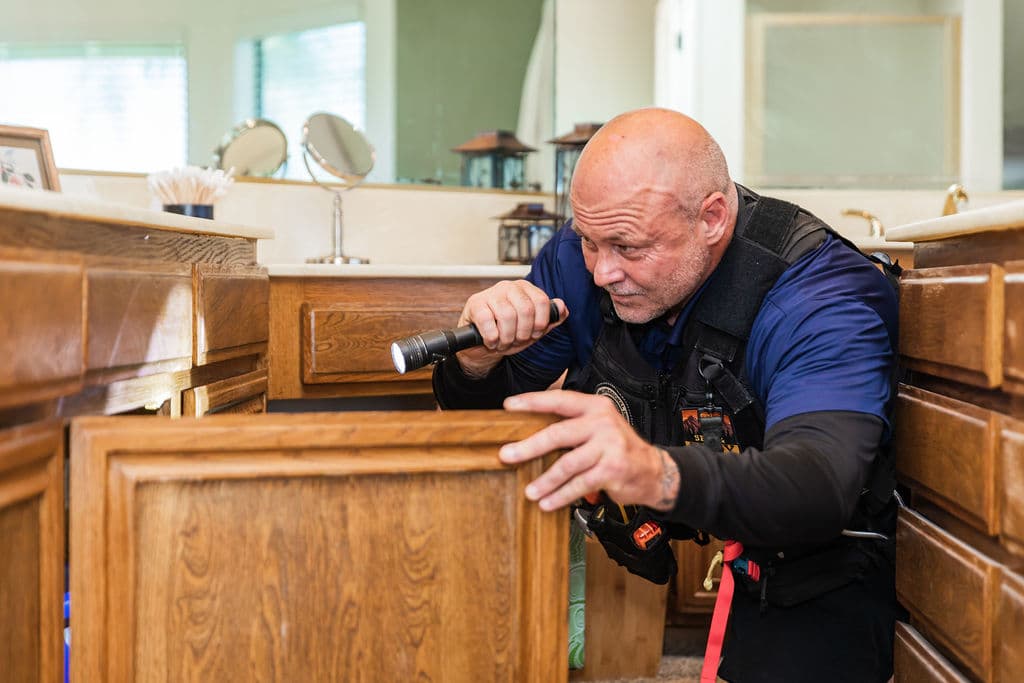
A pre-listing inspection is the same visual inspection a buyer would order: roof, attic, structure where visible, plumbing, electrical, heating and cooling, water heater, kitchen, baths, exterior, grading and drainage. The difference is timing. You get the report weeks before a buyer does, while you still have time and choices. Every Trident inspection is done by our own certified inspectors, all Trident employees. See what a full home inspection covers.
Read the report with your agent. Sort each item into three piles: quick fixes, larger items that need a decision, and things that are simply the age of the house.
Step 2: Fix the small, visible items
This is where much of the list disappears. The small items are usually a modest fix each, and many can be handled by a handyman in a day or two. Focus on things a buyer's inspector will notice and write up:
- Electrical: replace dead or reversed outlets, add missing cover plates, make sure GFCI outlets in kitchens, baths, garage and exterior trip and reset
- Plumbing: stop drips at faucets and under sinks, secure loose toilets, clear slow drains
- Water heater: confirm the seismic straps and the relief valve discharge line are in place
- Alarms and hazards: working smoke and carbon monoxide alarms, anti-tip bracket on the range, a self-closing door between the garage and the house
- Wear items: fresh caulk at tubs and showers, doors and windows that open and latch, damaged screens
- Exterior: trim vegetation off the siding and roof, clear debris from gutters, keep soil and mulch below the weep screed or foundation line
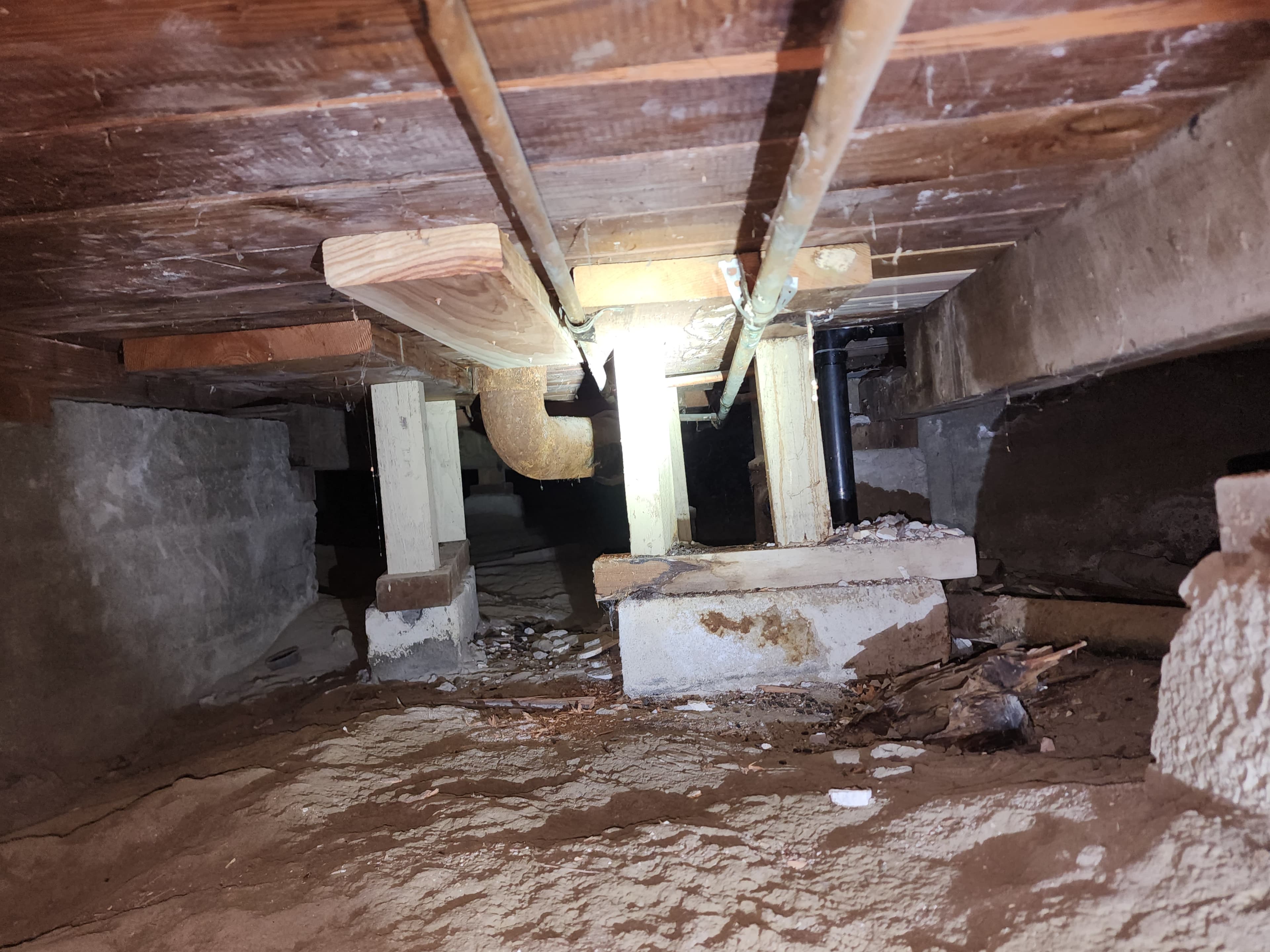
Some of these overlap with the termite report. Leaks under sinks and soil against stucco are the kind of conditions that also show up as moisture or conducive conditions in a wood-destroying organism inspection, so fixing them helps both reports.
Step 3: Document every repair
A repair a buyer cannot verify is a repair the buyer may ask about again. Keep a simple folder, paper or digital, with:
- Invoices from each contractor or handyman, with the address and a description of the work
- Permits and final sign-offs for any work your city requires a permit for. Water heater and electrical panel work often do, so check with your city building department
- Before and after photos of each repaired item
- Warranty paperwork for new equipment like a water heater or HVAC unit
- Your original pre-listing report, so anyone can match each repair to the finding
When the buyer's inspector notes something you already repaired, your agent can answer with a receipt instead of a promise. That conversation is short. Ask your agent how they want to share the folder and the report with buyers; how and when to share it is a judgment call that depends on your situation.
Step 4: Decide on the bigger items before listing
Some findings are not handyman jobs. An aging roof, an older electrical panel, a sewer line with root intrusion or offsets, foundation cracking, or an HVAC system near the end of its life are among the larger repair items. For these you have real choices: repair before listing, offer a credit, or disclose the condition and let the price reflect it.
There is no single right answer, and the choice depends on your timeline, budget and market. We walk through how to think about it in fix it now or credit it later. If the house is older or has big trees near the yard, a sewer scope is worth adding, since the main line is one item a visual inspection cannot see.
Repairs, credits and disclosure duties are set by your contract and California law, not by an inspection report. Before you decide how to handle a finding, talk it through with your real estate agent.
Step 5: Get the termite report early
In California sales, the termite report is often handled as its own item in the negotiation, depending on the contract. Findings are usually split into Section 1 items (active infestation or damage) and Section 2 items (conditions likely to lead to infestation or damage). Who pays for which section is a matter of custom and contract, and it is negotiable, so ask your agent. Our sister site explains the usual approaches in who pays for termite repairs in a California home sale.
Ordering the termite inspection before you list gives you time to get bids, schedule any repairs, and decide whether to pursue a clearance. Trident does wood-destroying organism inspections in house through Trident Pest Control, our own company, registered with the California Structural Pest Control Board (Company Registration #PR8662, Branches 2 and 3). Trident does not fumigate; if treatment is needed it is done by a separate licensed company. For what a clearance involves, see termite clearance before you list.
Home, termite and sewer scope can be done on the same visit, which keeps your prep schedule simple. More on that in one visit, two reports. The home report comes the same day, and the termite report follows with same-week turnaround for most properties.
What this does in escrow
Most of what goes wrong in escrow is a surprise: a finding nobody expected, raised late, with little time to react. When the quick items are fixed, the large items are already decided, and the termite report is in hand, there is far less left to surprise anyone. Some inspection companies subcontract parts of the work or hand it off to a referral. At Trident every inspection is done by our own team, home and termite alike. For more on where deals come apart, read how inspection surprises kill deals in escrow.
Getting started
If you are thinking about selling in the next few months, the earlier you inspect, the more options you keep. See what is included in a pre-listing inspection, then book online or call (949) 294-1188. Our office is in Orange, and we serve homes across Orange County.
Not working with an agent yet? Start with the inspection, so you know the condition of the house before you talk with anyone about price. When you are ready, Trident can introduce you to experienced local listing agents we work with. Book a pre-listing inspection or call (949) 294-1188.