A mold remediation protocol is a written plan for one specific job: what caused the growth, what has to be removed, how the area is contained, and what test results count as finished. Trident writes protocols from lab results. We assess and verify; we do not remediate, and we take no referral fees.
- ▸A protocol is a written, job-specific plan from correcting the water source through clearance testing
- ▸Testing tells you where the problem is, and often where it is not
- ▸Where the growth is changes the response, as an HVAC closet case in Brea shows
- ▸A good protocol is revised when new lab results come in
- ▸Clearance on a single air sample, with the water source never tested, is not enough
- ▸Trident assesses and verifies. We do not remediate and we take no referral fees
What is a mold remediation protocol?
A mold remediation protocol is a written plan for one specific job. It says what caused the growth and how to correct it, which areas have to be removed or cleaned, how the work area is contained so spores do not spread through the house, and what test results the space has to meet before the job counts as done. It is the document a remediation contractor works to and the standard the final clearance test is measured against.
Trident writes protocols from the evidence: what we see, what our moisture tools show, and what the lab reports. We assess and we verify. We do not do remediation work, and we take no referral fees from the contractors who do. That separation is the point. The company deciding how much has to come out should not be the company paid to take it out.
Here are four recent jobs from our mold and air-quality testing work that show why the plan has to follow the results.
Newport Coast: one bad wall, not a bad house
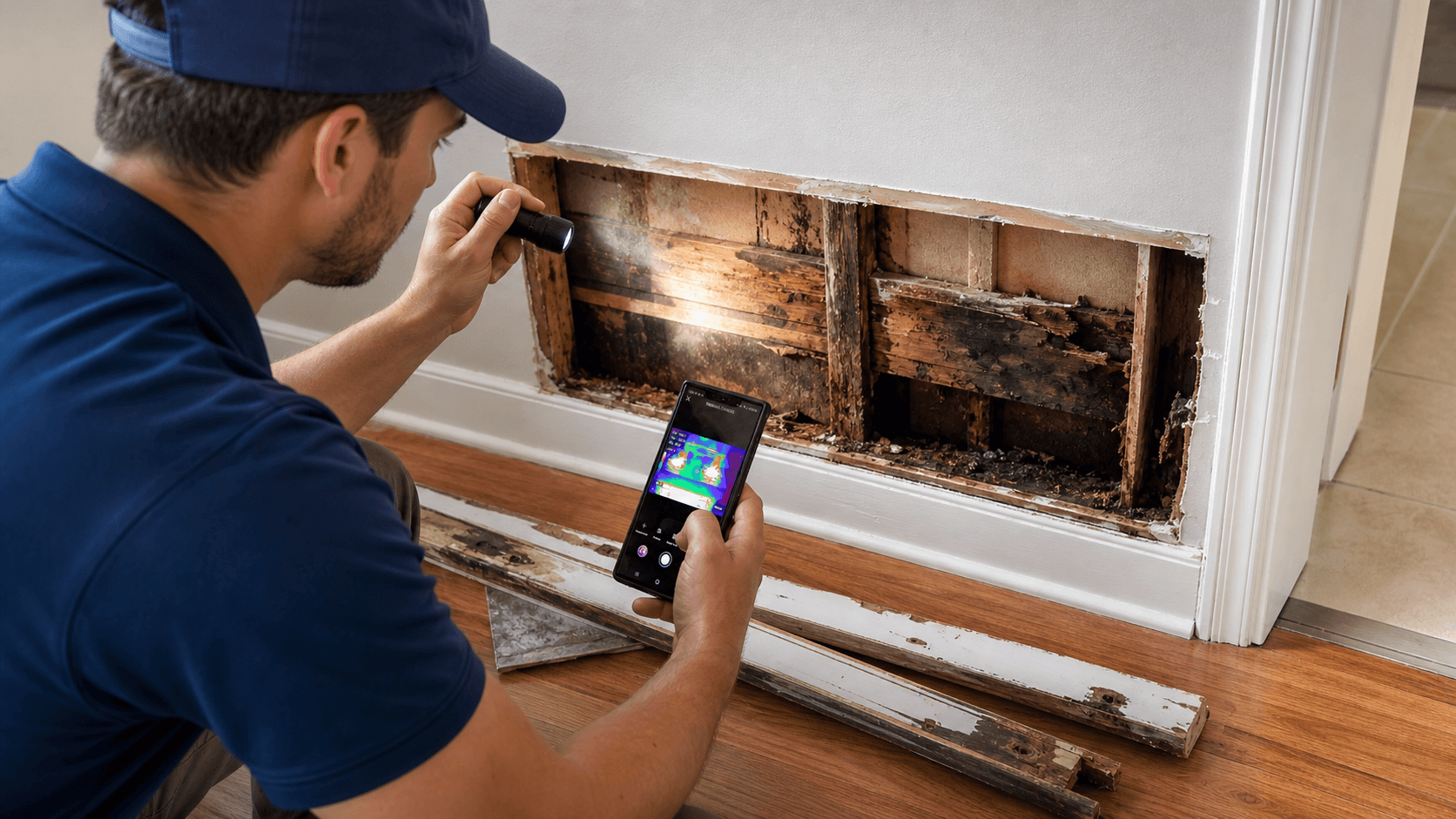
In a Newport Coast home, an air sample at one dining room wall came back at 45,900 spores per cubic meter, about 19 times the outdoor level, and 95 percent of it was Stachybotrys. The rest of the house tested normal.
Without testing, a number like that can turn into a whole-house panic. With testing, the answer was specific: one wall had a serious problem, and the house around it did not. Our protocol ran 11 steps, from correcting the moisture source through clearance, and it was scoped to that wall. If you are buying or selling in Newport Beach, that distinction is worth a great deal at the negotiating table.
Brea: where the growth is changes the response
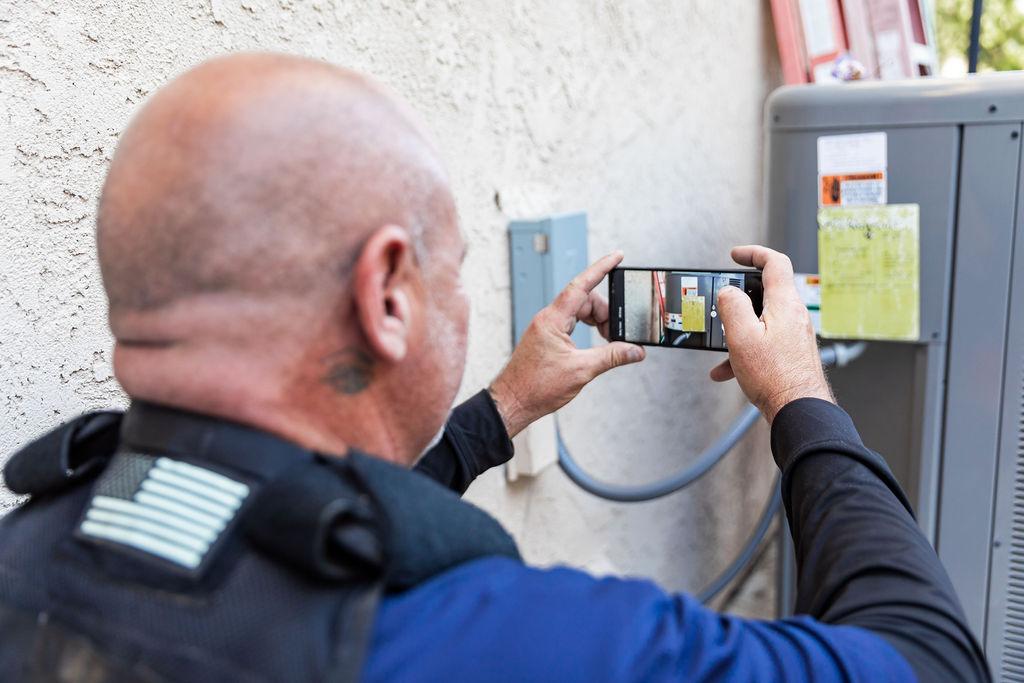
In a Brea home, the lab confirmed growth that included Stachybotrys inside an HVAC closet. Our protocol opened with one instruction: shut down the HVAC system now. A system that moves air through the whole house can carry spores from that closet into every room, so stopping it came before anything else.
The same protocol required delineation before demolition, meaning the extent of the growth had to be mapped before anyone started cutting. Tearing out material without knowing where the problem stops is how a contained job becomes a larger one.
Irvine: the protocol tracks the evidence
In a 2004 townhouse in Irvine, a laundry leak was found before the new owners moved in. We issued a protocol from what we could see and measure, then revised it when the lab results came in. A protocol is not a form letter. When the evidence changes, the plan changes with it.
Anaheim: why protocol and clearance matter
In a 1994 home in Anaheim, we were asked for a second opinion on another firm's work. Testing before remediation had found water-indicator molds, the kinds that point to an ongoing moisture problem. Clearance was then issued on a single air sample, and a water intrusion that had been disclosed was never tested at all.
That is the gap a written protocol is meant to close. Clearance should be measured against a standard set before the work began, with enough sampling to mean something, and the water source that caused the growth has to be confirmed as corrected. Otherwise the house can pass a test and still have the problem.
What to ask before anyone starts tearing out walls
- What did the lab find, and where? Ask for interior results next to an outdoor baseline.
- What caused it, and how will that be corrected? Remediation without fixing the water source tends to come back.
- Is the work scope written down? Containment, removal, cleaning and the clearance standard should all be in the protocol.
- Who verifies the work? Clearance testing is most meaningful when it comes from someone who did not do the remediation.
Moisture is usually where these stories start. Our post on missing weep screeds on older stucco homes covers how we find water in walls before it becomes a mold question, and Zinsco, Federal Pacific and Pushmatic panels covers another item older Southern California homes often carry.
Trident is a local, independent team that knows Southern California homes. Jeff Clark, CMI, is IAC2 mold certified, and mold testing sits alongside home inspection, termite and sewer scope in house, so one team can follow a leak from the stain to the lab report. To book, schedule online or call (949) 294-1188.