A practical, hour-by-hour walkthrough of what actually happens during a residential home inspection — from the moment your inspector arrives to the moment your same-day report lands in your inbox.
- ▸Most home inspections take 2–4 hours; expect to commit a half-day total
- ▸Standard inspections are visual and non-invasive — no walls opened
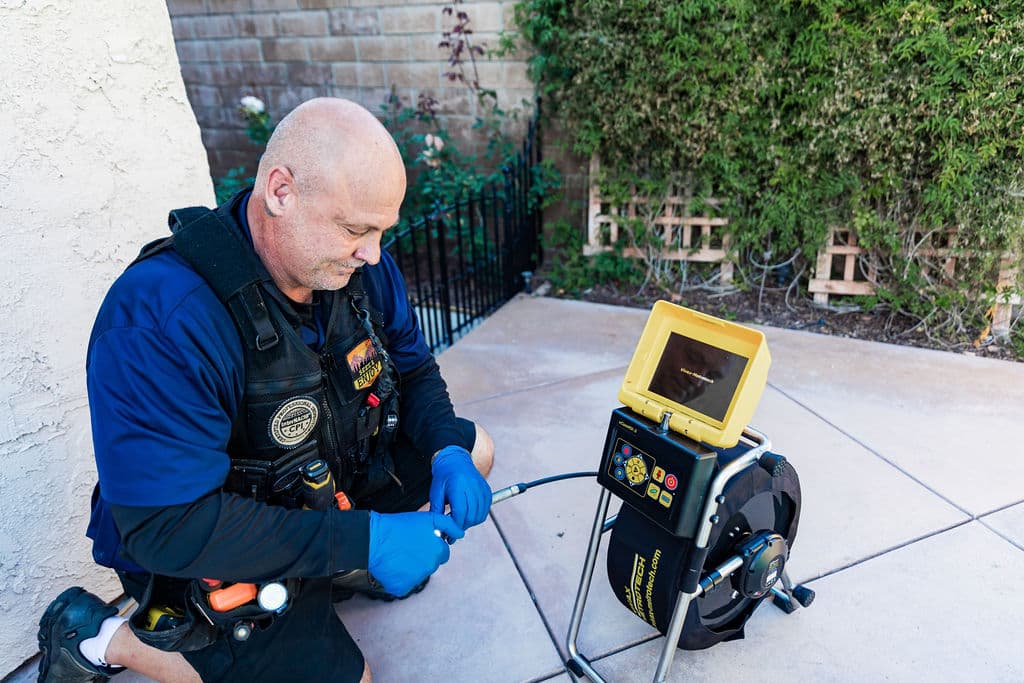
- ▸Sewer scope and termite are nearly always worth adding for OC properties
- ▸Review the report priority summary first; the full body is reference
Your first home inspection can feel high-stakes — and rightly so. The report you walk away with will shape your negotiation, your closing decision, and your plans for the first six months in the home. Understanding what actually happens during the inspection makes the experience meaningfully less stressful and significantly more useful.
Here's what actually happens during a Trident home inspection on a typical Orange County property — start to finish.
Before the inspector arrives
Once you book, we coordinate access through your buyer's agent. Most homes are still occupied at the time of inspection, so we work with your agent to confirm a window when sellers will be out of the home. We'll send you a pre-inspection checklist via email — typically the day before — covering what to bring, what to wear, and what to think about ahead of time.
If you've added specialty services like a sewer scope or termite inspection, we'll confirm that the relevant cleanouts are accessible and that the inspector knows where to find them.
Hour 1: Exterior + roof
Your inspector typically starts outside. We walk the entire exterior of the home, document the condition of siding, trim, sealants, paint, doors, windows, and visible site grading. We assess drainage — does the lot slope away from the foundation, or is water heading the wrong direction during rain?
We get on the roof when it's safely accessible — most pitched-roof OC homes are walkable. We document the condition of shingles or tile, flashing, vents, chimneys, and any visible penetrations. Photos go directly into the report.
Hour 2: Interior + systems
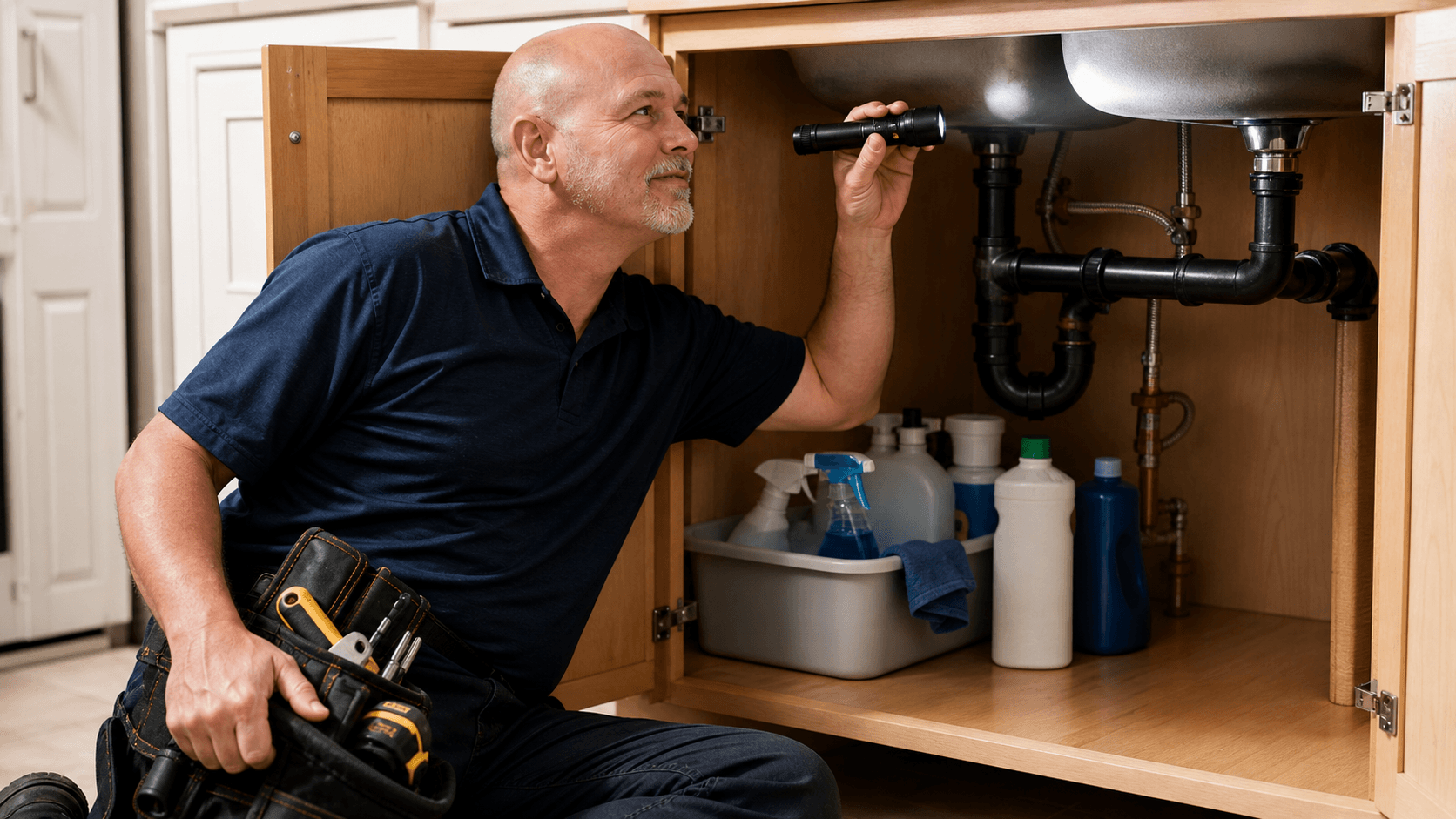
Inside the home, we work room by room: walls, ceilings, floors, doors, windows, lighting, outlets, switches, and visible cosmetic issues. We test every switch and a representative sample of outlets. We run sinks, showers, tubs, and toilets. We check supply pressure and drain function. We verify that GFCI and AFCI protection are working where required.
HVAC: we run the heating system in heating mode and the air conditioning in cooling mode (when outdoor temperatures permit). We document equipment age, capacity, and condition. We inspect ductwork that's accessible.
Hour 3: Foundation, attic, and the rest
We get into the crawl space if the home has one, or document slab condition if it doesn't. We check for moisture, structural issues, framing condition, insulation, and visible plumbing or electrical concerns under the home.
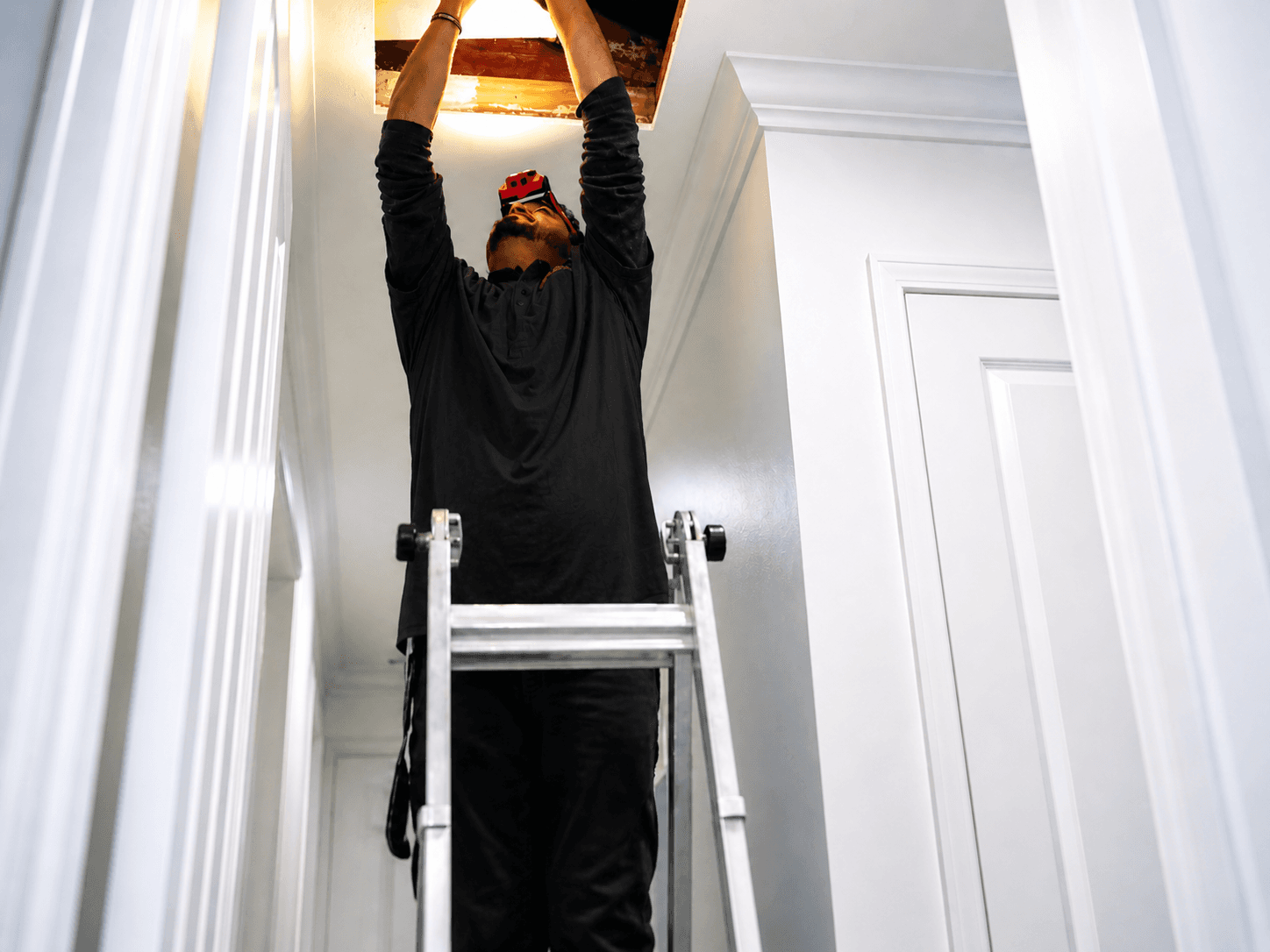
We get into the attic — every accessible attic — and document insulation depth, ventilation, framing condition, visible electrical, plumbing, and HVAC, and any signs of past water intrusion or pest activity. The attic is where many of the most consequential findings show up.
We inspect the electrical service panel and any sub-panels, document the brand and amperage, and check for known-defective panel brands like Federal Pacific Stab-Lok or Zinsco — both of which we strongly recommend immediate replacement on.
Hour 4: Walkthrough + questions
If you're attending, the last 30–45 minutes are the most valuable. We walk the home with you, point out major findings, answer every question, and discuss priorities. Take notes. Take photos. Ask anything.
Pro tip: bring your buyer's agent if possible. Their experience reading inspection reports across many homes adds real context.
Same day: your report
We deliver the digital report the same day — usually within a few hours of finishing on-site. The report is photo-rich, organized by system, with a priority summary up top so you can see the big findings without reading the whole thing.
How to read the report
Read the priority summary first. We highlight major issues — anything that materially affects safety, function, or significant cost — at the top. Use the priority summary as the basis for negotiation conversation with your agent.
Then read the system-by-system findings in order of priority. Photos are inline, so you can see exactly what we're describing. We always include severity ratings, suggested action, and a recommendation on whether the issue rises to the level of a contingency-period negotiation.
What's next
Most buyers go straight from the report to a strategy conversation with their agent. From there, your agent typically uses the priority findings to negotiate repairs, credits, or a price reduction with the seller. We're available throughout the option period for clarifications — call, text, or email anytime.
And: keep the report. After you close, it's your reference for the first 12 months in the home. Items we flagged as deferred-maintenance become your maintenance roadmap.